Gift buyers often search for a laughing buddha necklace for sale because the piece seems to carry more than decorative value. The round medallion, gold tone, and smiling figure can suggest joy, peace, encouragement, and a wish for good fortune. Yet the strongest gift meaning does not come from treating the necklace as a guaranteed charm. It comes from how well the symbol fits the person, the relationship, and the moment being remembered.
Jewelry has long worked as more than ornament. Museums and historical collections often present jewelry as a medium for beauty, status, memory, affection, devotion, and personal expression. That is why a necklace can feel more intimate than many ordinary gifts: it stays close to the body, appears in everyday outfits, and can become linked with a person or life stage. When someone searches for a necklace online, the visible details matter, but so does the quieter question behind the search: will this feel like something the recipient would actually want to keep wearing? A Laughing Buddha necklace fits this gift category because it combines a wearable form with an instantly readable image. A pendant is small enough for daily jewelry, while the figure gives it a focal point. For some wearers, the smiling Buddha-like image may communicate warmth, optimism, generosity, or steadiness. For others, the gold medallion style may simply feel bold, personal, or visually interesting. The same necklace can therefore carry different levels of meaning depending on the wearer: spiritual association for one person, symbolic encouragement for another, and style identity for someone else. This is also why the phrase laughing buddha necklace for sale often carries a gift motive rather than a purely transactional one. A buyer may not be comparing only price or color; they may be looking for a piece that says, in a personal way, “I hope this next chapter feels lighter,” “I see your resilience,” or “This reminded me of your joy.” The gift becomes stronger when the buyer understands that the symbol should support an existing relationship memory, not replace personal thought. If the recipient dislikes pendant jewelry, avoids religious imagery, or prefers very minimal accessories, even a meaningful symbol may not be the right fit.
The same Buddha pendant necklace can feel romantic, platonic, or self-affirming depending on who gives it and why. That difference matters because gift symbolism can become too heavy if it is not matched to the relationship. A partner may read the necklace as a personal blessing tied to shared life; a best friend may see it as encouragement or gratitude; someone buying it for a personal milestone may use it as a wearable reminder of change. The goal is not to assign one fixed meaning to the pendant, but to choose the symbolic emphasis that feels natural.
These relationship differences also help prevent overclaiming. Joy, peace, prosperity, and encouragement are best understood as wishes, associations, or personal meanings. They are not outcomes that a necklace can guarantee. A thoughtful gift buyer can add a short spoken message or note such as “This made me think of your positive energy” or “I hope it reminds you of this new chapter.” That kind of wording keeps the gift emotionally clear without implying that the pendant has measurable power over wealth, luck, or emotional healing.
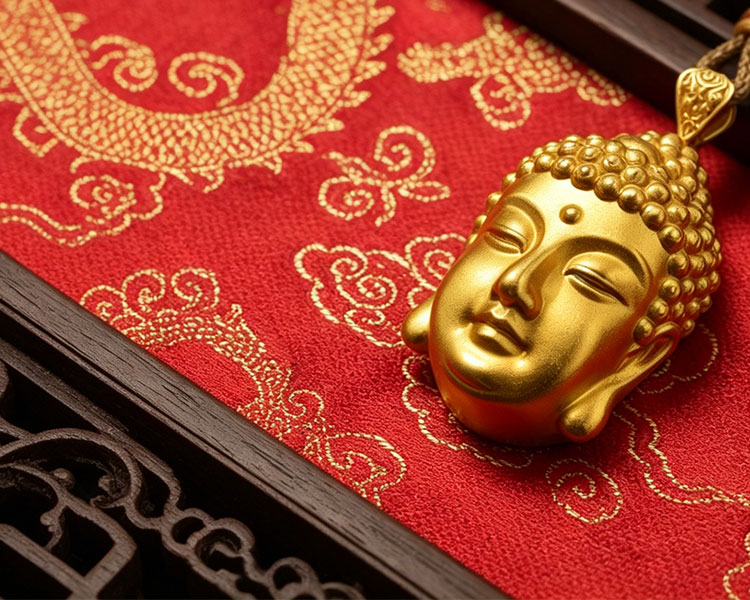
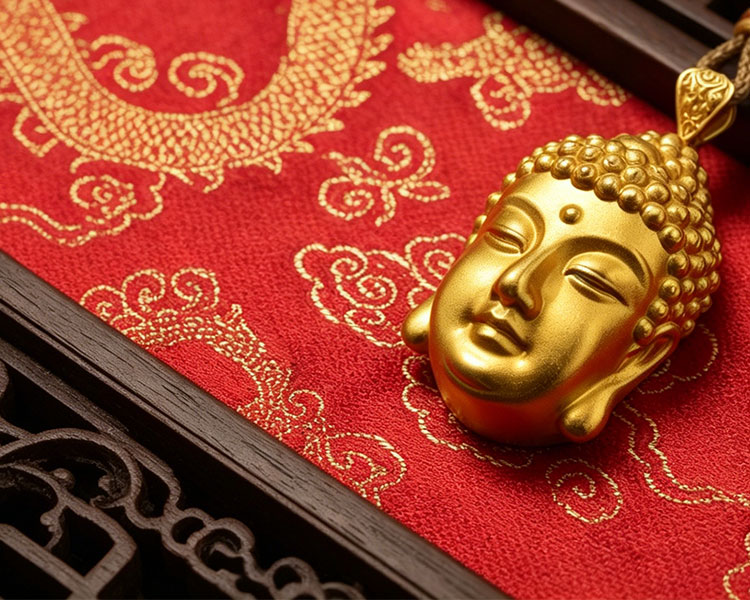
A Buddha or Buddha-like pendant should be handled with cultural care. Buddhist traditions have rich philosophical and historical backgrounds, and images associated with the Buddha can carry religious, artistic, or cultural significance depending on community and setting. In a retail jewelry setting, however, a Buddha pendant necklace for sale is usually being presented as an accessory with symbolic meaning, not as a required religious object. That distinction is important for gift buyers who want the piece to feel respectful rather than careless. The Laughing Buddha figure is commonly associated in popular jewelry and gift culture with happiness, generosity, abundance, and lightness of spirit. Still, a gift buyer should avoid turning those associations into claims. A necklace can express “I wish you prosperity,” but it should not be described as producing wealth. It can symbolize peace, but it should not be presented as mental health treatment. It can feel spiritually meaningful to a wearer, but it should not be framed as a religious requirement, formal devotional item, or universal Buddhist symbol with one fixed interpretation. This boundary matters most when the recipient’s beliefs are not known. Some people welcome Buddha imagery as art, fashion, Feng Shui-inspired symbolism, or a reminder of calm. Others may feel uncomfortable wearing sacred or religiously associated imagery as jewelry. The respectful approach is to consider the recipient’s existing preferences: do they already wear symbolic pendants, enjoy meaningful charms, or choose Buddha imagery themselves? A symbolic necklace is most successful when it aligns with the wearer’s comfort, not only the giver’s intention. Lumieresllc’s Laughing Buddha Necklace offers a useful product example of this gift setting. The piece is presented as a Laughing Buddha Gold Medallion, with a gold-colored high-relief medallion style and gift language connected to a partner, a lifelong best friend, and a personal milestone. It is also positioned as daily jewelry rather than only a ceremonial object. The visible price context includes a sale price of $49.99 and an original price of $69.99, but the gift decision should not rest only on discount or search terms such as gold buddha necklace for sale or buddha pendant necklace for sale. More important questions are whether the recipient likes gold-tone pendants, whether the Laughing Buddha image feels appropriate to the relationship, and whether the necklace’s symbolic message matches the moment. Because product listings may use rich symbolic phrases such as prosperity, wealth manifestation, peace, or obstacle removal, readers should treat those as meaning-based language rather than evidence of guaranteed effects. Packaging may be described as elegant, but unless details such as box contents, card inclusion, pouch type, or packaging dimensions are clearly confirmed, it is better not to assume a specific gift-box configuration. The safer gift decision is to focus on the pendant’s image, color, style, and the personal message you want to attach to it.
A Laughing Buddha necklace can be a meaningful gift for a partner, best friend, or personal milestone when the symbolism is handled with care. Its value comes from the relationship, the wearer’s taste, and the memory attached to the moment, not from guaranteed luck or prosperity. If you are comparing buddha jewelry online or looking at a necklace online for a symbolic gift, pay attention to the recipient’s comfort with Buddha imagery, gold-tone medallions, and everyday pendant jewelry. Lumieresllc’s Laughing Buddha Necklace can be reviewed as one example of this gift style, especially for understanding how joy, peace, and milestone language appear in a contemporary jewelry setting.
Q:Is a Laughing Buddha necklace a suitable gift for a partner?
A:Yes, a Laughing Buddha necklace can be suitable for a partner when the recipient likes symbolic jewelry and feels comfortable wearing Buddha-inspired imagery. The gift can express joy, warmth, peace, and shared encouragement, but it should be presented as a personal blessing or relationship reminder rather than a promise of guaranteed luck, wealth, or harmony.
Q:Can a Buddha pendant necklace be given to a best friend as a symbolic gift?
A:Yes, a Buddha pendant necklace can work well for a best friend if the meaning fits your friendship. It may symbolize gratitude, optimism, emotional support, or a wish for a positive new chapter. The key is to connect the gift to a real memory or message between you, instead of relying only on the pendant’s general symbolism.
Q:Does a Laughing Buddha necklace gift promise luck or prosperity?
A:No, a Laughing Buddha necklace should not be treated as a guarantee of luck, wealth, prosperity, or spiritual results. In a gift setting, those ideas are best understood as symbolic wishes or personal associations. The necklace can remind the wearer of joy, confidence, or abundance, but it does not promise measurable outcomes.
Buddha Stanford Encyclopedia of Philosophy